Your First Clomid Cycle: A Week-by-Week Roadmap to Understanding What Lies Ahead
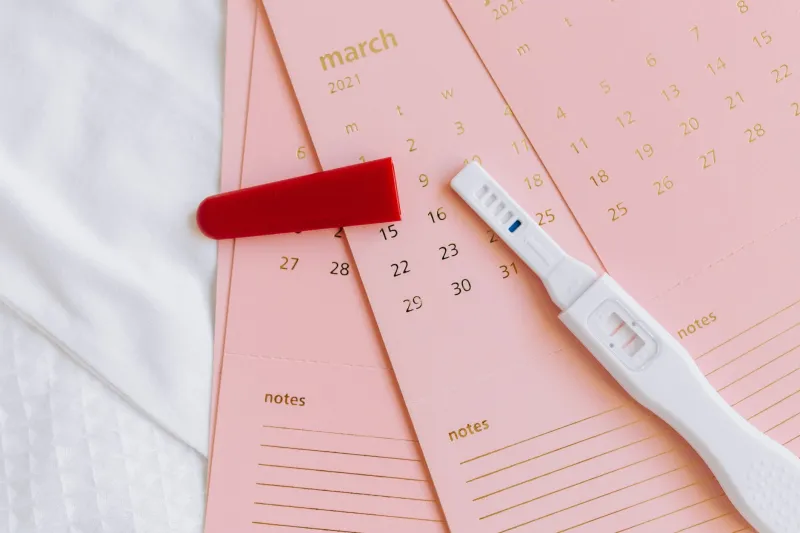
Beginning fertility treatment is one of the most emotionally charged decisions a person can make. For many Americans, Clomiphene citrate—widely known by the brand name Clomid—is the first prescription medication their reproductive endocrinologist or OB-GYN recommends. It is one of the most extensively studied fertility drugs in the world, yet first-time patients frequently report feeling unprepared for what the experience actually involves.
This guide is intended to change that. Rather than offering vague reassurances, we have structured this article as a practical, phase-by-phase overview of a standard Clomid treatment cycle. Understanding the clinical and emotional terrain ahead of time can meaningfully reduce anxiety and help you advocate for yourself throughout the process.
What Clomiphene Citrate Actually Does
Before diving into the timeline, it helps to understand the mechanism at work. Clomiphene citrate is a selective estrogen receptor modulator (SERM). It works by blocking estrogen receptors in the hypothalamus, which causes the brain to perceive lower estrogen levels than actually exist. In response, the pituitary gland releases more follicle-stimulating hormone (FSH) and luteinizing hormone (LH), which in turn stimulate the ovaries to develop and release one or more mature eggs.
In simple terms: Clomid nudges your body's hormonal signaling system to encourage ovulation, particularly in women who ovulate irregularly or not at all. It is most commonly prescribed for polycystic ovary syndrome (PCOS), unexplained infertility, and luteal phase defects.
Days 1–5: Starting the Medication
Most physicians instruct patients to begin Clomid on cycle day 3, 4, or 5—meaning three to five days after menstrual bleeding begins. The standard starting dose is 50 mg taken orally once per day for five consecutive days, though your provider may adjust this based on your individual hormonal profile and prior cycle history.
During these first five days, many patients notice little to no immediate change. However, some women begin experiencing mild side effects fairly quickly, including:
- Hot flashes: Often described as sudden waves of warmth, particularly at night
- Mood fluctuations: Irritability, tearfulness, or heightened emotional sensitivity
- Bloating or pelvic discomfort: As the ovaries begin responding to hormonal stimulation
- Headaches: Typically mild and manageable with over-the-counter pain relief
- Visual disturbances: Rare, but any changes in vision should be reported to your provider immediately
It is worth noting that not every patient experiences side effects. Some women complete their five days of medication with minimal disruption to daily life. Both outcomes are medically normal.
Days 6–10: The Follicular Phase
Once you complete your five-day course, your body enters the follicular phase of the stimulated cycle. This is the period during which your ovaries are actively developing follicles—the fluid-filled sacs that contain maturing eggs.
Your physician may schedule a transvaginal ultrasound during this window, typically around cycle day 10 to 12. This monitoring appointment serves several important purposes:
- Assessing follicle development: Your provider will measure the number and size of developing follicles. A follicle measuring 18–22 mm is generally considered mature and ready for ovulation.
- Checking the uterine lining: Clomid can sometimes thin the endometrial lining, which may affect implantation. Your doctor will evaluate whether the lining is at an adequate thickness.
- Determining next steps: Based on ultrasound findings, your provider may recommend a trigger shot (human chorionic gonadotropin, or hCG) to prompt ovulation at a precise time.
Not all practices include monitoring ultrasounds for every patient, particularly during a first cycle at a lower dose. If your clinic does not routinely offer monitoring, ask whether it might be appropriate given your specific circumstances.
Days 11–17: Ovulation and the Fertile Window
For most women on Clomid, ovulation occurs between cycle days 14 and 19—slightly later than the textbook day-14 ovulation many people expect. This is one reason why relying solely on a standard 28-day cycle calendar can be misleading during medicated cycles.
To identify your most fertile days, consider using ovulation predictor kits (OPKs), which detect the LH surge that precedes ovulation by approximately 24 to 36 hours. Basal body temperature (BBT) charting can also confirm that ovulation has occurred, though it indicates the event after the fact rather than predicting it.
If you are pursuing timed intercourse, your provider will likely recommend having sex every one to two days during the fertile window. For those undergoing intrauterine insemination (IUI), the procedure is typically scheduled 24 to 36 hours after a confirmed LH surge or trigger shot.
Days 17–28: The Two-Week Wait
The period between ovulation and your expected period—commonly called the two-week wait—is frequently described by fertility patients as the most psychologically demanding part of the process. Progesterone levels rise after ovulation to support a potential pregnancy, and many of the symptoms associated with early pregnancy (breast tenderness, fatigue, bloating) closely mirror those of an approaching period. This overlap makes symptom-spotting an unreliable indicator of outcome.
Some clinicians prescribe progesterone supplementation during this phase to support the luteal phase, particularly if testing has indicated a deficiency. If your provider has prescribed vaginal progesterone suppositories or oral capsules, take them exactly as directed.
A home pregnancy test is generally most accurate when taken on the day of your expected period or later. Testing earlier can produce misleading results, especially if you received an hCG trigger shot, which can cause a false positive for up to 14 days after administration.
What Success Looks Like Over Multiple Cycles
It is important to approach Clomid treatment with calibrated expectations. Clinical data suggests that ovulation occurs in approximately 70–80% of women who respond to Clomiphene citrate. However, achieving pregnancy is a separate—and statistically more variable—outcome. Cumulative pregnancy rates across three to six cycles of Clomid treatment range from roughly 30–50% in appropriately selected patients.
If three to six monitored cycles do not result in pregnancy, most reproductive specialists will recommend reassessment. This may involve progressing to injectable gonadotropins, IUI, or in vitro fertilization (IVF), depending on your diagnostic profile and personal circumstances.
Managing the Emotional Dimension
Fertility treatment is not purely a physical process. The hormonal fluctuations induced by Clomid, combined with the inherent uncertainty of the outcome, can place significant strain on mental well-being and intimate relationships. Acknowledging this reality is not a sign of weakness—it is a clinically recognized aspect of fertility care.
Consider these practical strategies for emotional sustainability:
- Communicate openly with your partner: Share your physical symptoms and emotional state rather than managing them in isolation.
- Limit obsessive symptom-tracking: While some monitoring is helpful, excessive focus on every bodily sensation can amplify anxiety.
- Seek peer support: Online communities and in-person support groups for fertility patients are widely available across the United States.
- Talk to a mental health professional: Many therapists specialize in reproductive health and can provide evidence-based coping strategies.
At ClomidAll Health, we believe that informed patients are empowered patients. Understanding your treatment cycle—not just the medical steps, but the full human experience of it—is foundational to navigating fertility care with resilience and clarity.