Four Dollars or One Hundred Twenty: Tracing the Real Journey of Your Fertility Prescription's Price Tag
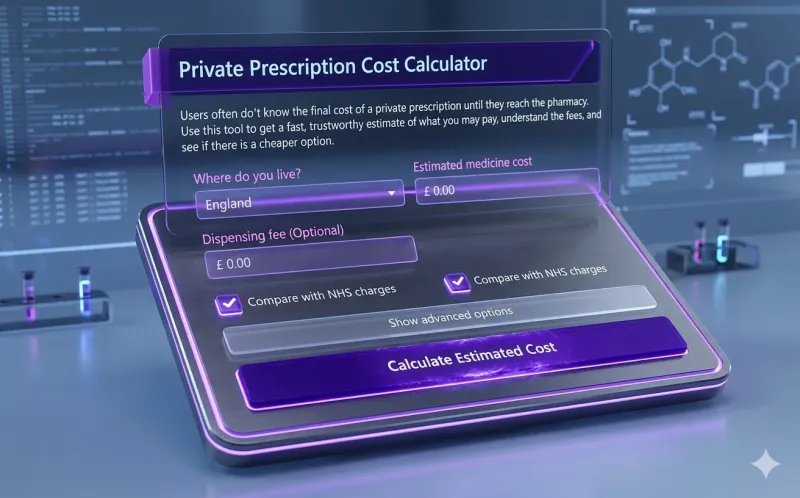
Photo: pharmacy prescription price comparison receipt calculator, via rentaffordabilitycalculator.co.uk
Ask around any fertility support group and you'll hear the same bewildered question: how can the same prescription cost $4 at one pharmacy and $120 at another across town? The answer lies in a supply chain most patients never see — and understanding it is the first step toward paying less.
The Hidden Journey From Manufacturer to Counter
After a medication leaves the manufacturer, it typically passes through wholesale distributors, who purchase in bulk and sell to pharmacies at negotiated prices. From there, the retail pharmacy sets its own price, which may bear little resemblance to what it actually paid.
Layered on top is the pharmacy benefit manager, or PBM — the intermediary that negotiates drug prices between insurers and pharmacies on behalf of health plans. PBMs establish formularies, set copays, and negotiate reimbursement rates. The same medication can be priced wildly differently depending on which PBM contract governs your insurance plan and which pharmacy is in-network under that contract.
The result: two patients with identical prescriptions can pay entirely different amounts, and neither the prescriber nor the pharmacist may have much visibility into why.
Why Fertility Medications Are Especially Vulnerable
Fertility treatment occupies an awkward corner of the insurance landscape. Many employer plans cover little or nothing for fertility care, which means a large share of patients pay cash at the counter. Cash pricing is where pharmacy variation is most extreme, because it strips away the PBM-negotiated rate and exposes the raw retail price.
Generics complicate matters further. Generic clomiphene is inexpensive to manufacture, yet retail prices vary enormously by pharmacy chain, location, and whether a discount program applies.
Strategies That Actually Reduce the Bill
Patients have more leverage than they realize. Consider these approaches:
Discount card programs. Free prescription discount cards negotiate reduced cash prices at participating pharmacies. In many cases, the discounted cash price beats the insured copay — and you're allowed to choose the lower one.
Price comparison tools. Several websites and apps let you enter a medication and ZIP code and see prices at nearby pharmacies. Ten minutes of comparison shopping can cut a triple-digit bill to single digits.
Ask about pharmacy tiers. Large national chains, regional grocers with pharmacy counters, and independent pharmacies often price the same generic very differently. Warehouse club pharmacies frequently offer some of the lowest cash prices, and many states allow their use without a membership.
Larger fills when appropriate. If your protocol spans multiple cycles, ask your prescriber whether a longer supply is clinically appropriate. Dispensing fees are often lower per unit on larger fills.
Talk to your pharmacist directly. Pharmacists see pricing variation daily and can often tell you which nearby pharmacy has the best cash price. Most patients never ask.
A Word of Caution on the Cheapest Option
Low price should never mean unverified source. The strategies above apply to licensed US pharmacies — not to offshore websites advertising prices no domestic pharmacy could match. Savings mean nothing if the tablets are counterfeit.
Knowledge Is the Best Discount
The fertility medication supply chain is opaque by design, built on negotiated rates invisible to patients. But the tools to pierce that opacity — comparison apps, discount cards, and a frank conversation with your pharmacist — are free and available to anyone willing to spend an afternoon using them. For a treatment course that may span several cycles, that afternoon can save you hundreds of dollars.