After the Last Pill: The Surprising Fertility Window That Opens When Women Stop Taking Clomid
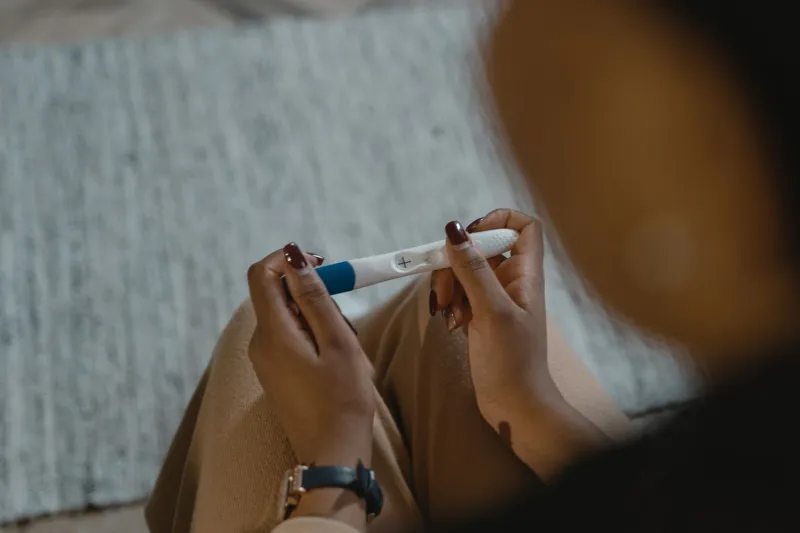
Most women begin Clomid with a clear expectation: the medication works while you are taking it. What many do not anticipate is that the reproductive changes Clomid sets in motion may continue to unfold — and in some cases, peak — in the cycle that follows the final dose. Among fertility specialists and reproductive endocrinologists across the United States, this pattern has a quiet but persistent reputation. Patients who did not conceive during active treatment cycles sometimes report a positive pregnancy test in the month after discontinuation, prompting both curiosity and careful clinical attention.
This is not a marketing claim or anecdotal wishful thinking. The mechanisms behind what some practitioners informally call the "Clomid rebound effect" are grounded in the drug's pharmacological behavior — and understanding them may offer couples a meaningful strategic advantage.
How Clomid Alters the Hormonal Landscape — and Why That Matters After You Stop
Clomiphene citrate works primarily as a selective estrogen receptor modulator, or SERM. It binds to estrogen receptors in the hypothalamus, effectively blocking the brain's ability to detect circulating estrogen. The hypothalamus interprets this as a low-estrogen state and responds by releasing more gonadotropin-releasing hormone (GnRH), which in turn drives the pituitary to produce higher levels of follicle-stimulating hormone (FSH) and luteinizing hormone (LH). The result is stimulated follicular development and, ideally, ovulation.
Here is where the rebound dynamic enters the picture. Clomid also exerts suppressive effects on the uterine lining and cervical mucus — two factors that are critically important for implantation and sperm transport, respectively. During active treatment cycles, the same anti-estrogenic mechanism that promotes ovulation can simultaneously make the uterine endometrium thinner and cervical mucus less hospitable to sperm. It is a well-documented trade-off that reproductive specialists frequently discuss with patients.
When Clomid is discontinued, the body's natural estrogen is no longer blocked. Estrogen levels rise freely, the endometrium thickens in response, and cervical mucus returns to a more receptive consistency. Meanwhile, the hormonal momentum that Clomid initiated — elevated FSH and LH, primed follicles, a recalibrated hypothalamic-pituitary-ovarian axis — does not vanish overnight. For some women, that residual hormonal energy, combined with a newly permissive uterine environment, creates a window of enhanced fertility.
What the Clinical Evidence Suggests
The research on post-Clomid conception is still developing, and it would be premature to characterize this rebound as a universal or reliably predictable event. However, several lines of evidence support the clinical plausibility of the phenomenon.
Studies examining cumulative pregnancy rates across multiple Clomid cycles have noted that a subset of conceptions in research populations occurred in cycles following the last documented treatment cycle. Whether these represent true rebounds or simply delayed effects of prior treatment is a matter of ongoing discussion. What fertility specialists do broadly agree on is that the normalization of the uterine environment after cessation of Clomid is real, measurable, and potentially significant.
Dr. practitioners who specialize in reproductive endocrinology frequently describe patients who, after three to six cycles of Clomid without success, conceived naturally in the first or second month after stopping — sometimes before the couple had even begun pursuing the next recommended intervention. While the sample sizes in clinical settings are too small to draw definitive conclusions, the pattern is consistent enough that many specialists now explicitly counsel patients about the post-Clomid window rather than treating discontinuation as simply the end of a failed protocol.
Why Patients Often Miss This Window
The emotional arc of fertility treatment creates a practical problem here. When a Clomid protocol concludes without a pregnancy, many couples experience a period of demoralization. They may take a break from active tracking, reduce the frequency of intercourse, or shift their focus toward scheduling consultations for the next step — whether that is injectable gonadotropins, intrauterine insemination (IUI), or a referral to a reproductive endocrinologist.
In doing so, they may inadvertently step away from conception efforts during the very cycle when their reproductive physiology may be most receptive. This is not a failure of effort or commitment — it is a natural emotional response to a difficult experience. But it does underscore the importance of receiving clear, proactive guidance from a healthcare provider before a Clomid course ends.
Patients who are counseled in advance about the potential post-treatment fertility window are better positioned to maintain monitoring and timed intercourse during that critical cycle, rather than treating the end of the prescription as a period of passive waiting.
How to Optimize Conception Chances in the Post-Clomid Cycle
For women and couples who want to take full advantage of this potential window, several strategies are worth discussing with a reproductive specialist or OB-GYN.
Continue ovulation monitoring. Ovulation predictor kits (OPKs) and basal body temperature (BBT) tracking remain valuable tools in the cycle after stopping Clomid. Because the hormonal environment is shifting, ovulation timing may differ slightly from what was observed during treatment cycles. Maintaining consistent monitoring provides accurate data rather than relying on assumptions.
Do not assume the cycle will be irregular. Some women expect their cycles to become unpredictable after stopping Clomid, particularly if they were using it to address ovulatory dysfunction. In practice, the hormonal recalibration Clomid initiates may support more regular ovulation in the immediate post-treatment period, at least temporarily.
Discuss progesterone support with your provider. If luteal phase insufficiency has been a concern during Clomid cycles, the same consideration applies after discontinuation. Some providers recommend progesterone supplementation in the post-Clomid cycle to support implantation, particularly in women who have shown a thin endometrial lining during treatment.
Prioritize cervical mucus observation. Because the return of natural estrogen is a key driver of the rebound effect, monitoring cervical mucus quality can serve as a practical, low-cost indicator that the uterine environment is becoming more receptive. The appearance of fertile-quality cervical mucus — clear, stretchy, and abundant — signals that estrogen is exerting its natural influence again.
A Conversation Worth Having Before the Last Prescription Is Filled
The Clomid rebound effect illustrates a broader truth about fertility treatment: the end of a protocol is not always the end of its influence. Hormones do not reset the moment a pill is discontinued. The reproductive system continues to respond, adapt, and sometimes surprise.
For couples who have completed a Clomid course without a positive result, the instinct to pause and regroup is entirely understandable. But that pause deserves to be an informed one. Before the final cycle of Clomid concludes, a direct conversation with your prescribing provider about what to expect — and what to monitor — in the subsequent cycle is not just reasonable. It may be one of the most valuable conversations in your entire treatment journey.
At ClomidAll Health, we believe that access to clear, science-based information is inseparable from access to effective fertility care. Understanding the full arc of how a medication like Clomid affects the body — including what happens after the last dose — is part of the informed approach every patient deserves.